
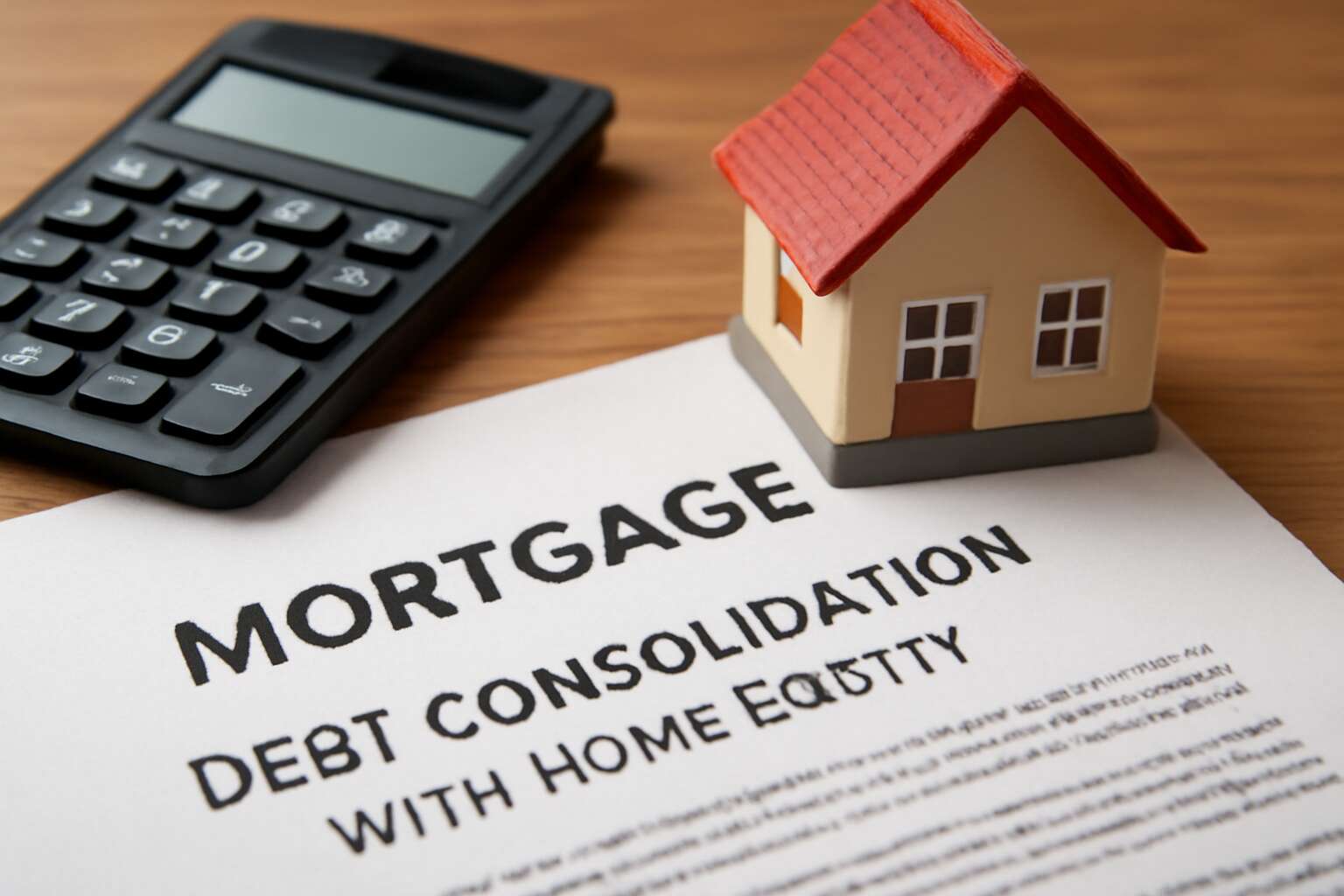
Debt Solutions with Home Equity: A Comprehensive Outline
Understanding debt consolidation through home equity options
A sturdy roof can be a lifeline when debt gnaws at the margins. In South Africa, many households discover relief through debt consolidation with home equity. ‘A sturdy roof helps weather the storm,’ my gran used to say, and I’ve watched families find a firmer footing as the household ledger finally balances.
By tapping into home equity, multiple loans become one loan with a single monthly payment. This approach can lower interest rates, simplify budgeting, and reduce the chaos of scattered due dates, letting you breathe easier on the farm and in town.
- Lower interest rates than many unsecured loans
- One predictable monthly payment
- Better cash-flow visibility for families and rural livelihoods
Yet it’s not a magic wand; it’s a careful choice that should be weighed against terms, fees, and future plans. This path—debt consolidation with home equity—asks for patient evaluation.
Pros and cons of using home equity for debt consolidation
A sturdy roof isn’t just shelter—it’s a financial lever when debt gnaws at the margins. In South Africa, many households find relief through debt consolidation with home equity, turning scattered payments into coherence.
Pros and cons of debt consolidation with home equity sit side by side like tools in a shed — useful when chosen with care.
- Lower interest rates than many unsecured loans
- One predictable monthly payment
- Better cash-flow visibility for families and rural livelihoods
On the flip side, the debt becomes secured against your home, with the risk of foreclosure if you miss payments. It also ties up home equity for the long haul, potentially limiting future borrowing if plans shift.
Eligibility and planning steps for home equity strategies
Debt Solutions with Home Equity offer a careful path through financial storms. “Debt managed is a future reclaimed,” a South African planner once said, and the idea rings true: one consolidated payment can clear the fog. This section on debt consolidation with home equity maps eligibility and planning steps, inviting a closer look without over-promising outcomes.
- Adequate home equity relative to the loan value
- Stable, verifiable income and employment history
- Reasonable credit profile and debt-to-income ratio
- Awareness of costs and long-term impact on the home
Planning steps include baseline calculations, rate scenarios, and long-term risk assessment aligned with rural budgets. This perspective helps families weigh the leverage of debt consolidation with home equity while guarding the home’s future value.
Costs, fees, and long-term savings to consider
Across South Africa, households weather storms of rising costs while juggling multiple due dates. A single, well-structured plan cuts through the fog with uncanny clarity: debt consolidation with home equity offers a map that merges bills into one manageable, future-facing payment.
Costs and fees shape the decision. Expect valuation and title checks, origination or initiation fees, and closing costs that can nudge the monthly costs higher upfront. To visualize, consider the following:
- Valuation and legal conveyancing fees
- Bond origination or initiation charges
- Closing costs and potential early repayment penalties
Long-term savings hinge on rate trends, term length, and whether you preserve more of your home equity. When aligned with a careful budget, a lower, fixed payment can feel like lifting a weight—free cash for essentials while safeguarding your property’s value in changing rural markets.
Application process and best practices
“Debt is about alignment,” a South African adviser says, and too many households drift from due dates. Debt solutions with home equity offer a compass—one plan that consolidates bills and points toward a steadier, more predictable future!
A comprehensive outline of the application process begins with a clear picture of your equity, income, and goals. This is the backbone of debt consolidation with home equity, a strategy that merges debts into one plan. Lenders assess loan-to-value, property valuation, and repayment risk. Your best practices—document honesty, consistent payments, and a realistic budget—shape the terms you secure and how you manage payments long term.
Best practices to keep in mind:
- Clear understanding of numbers and budgeting
- Verification of equity and title status with a professional
- Informed questions about fixed rates and terms
Risks, safeguards, and alternatives to consider
“Debt is a compass with a mislaid magnet,” a South African adviser once said, and debt solutions with home equity can guide you toward calmer seas—if the map is read with care. The risks are real: your home is collateral, market winds shift loan-to-value, and a missed payment can reset the clock. This path requires a steady heartbeat of budgeting and risk awareness.
- Thorough equity verification and a professional title check
- Options with fixed-rate terms and transparent fees to avoid surprises
- A contingency budget that sits ready for storms and slow months
When the currents feel too strong, alternatives beckon—debt counselling (debt review), personal loans with prudent terms, or a structured debt management plan. For some, debt consolidation with home equity remains the most sensible path; others seek debt counselling or other arrangements.



0 Comments