
Debt consolidation loans: what they are and how they work
Definition and purpose
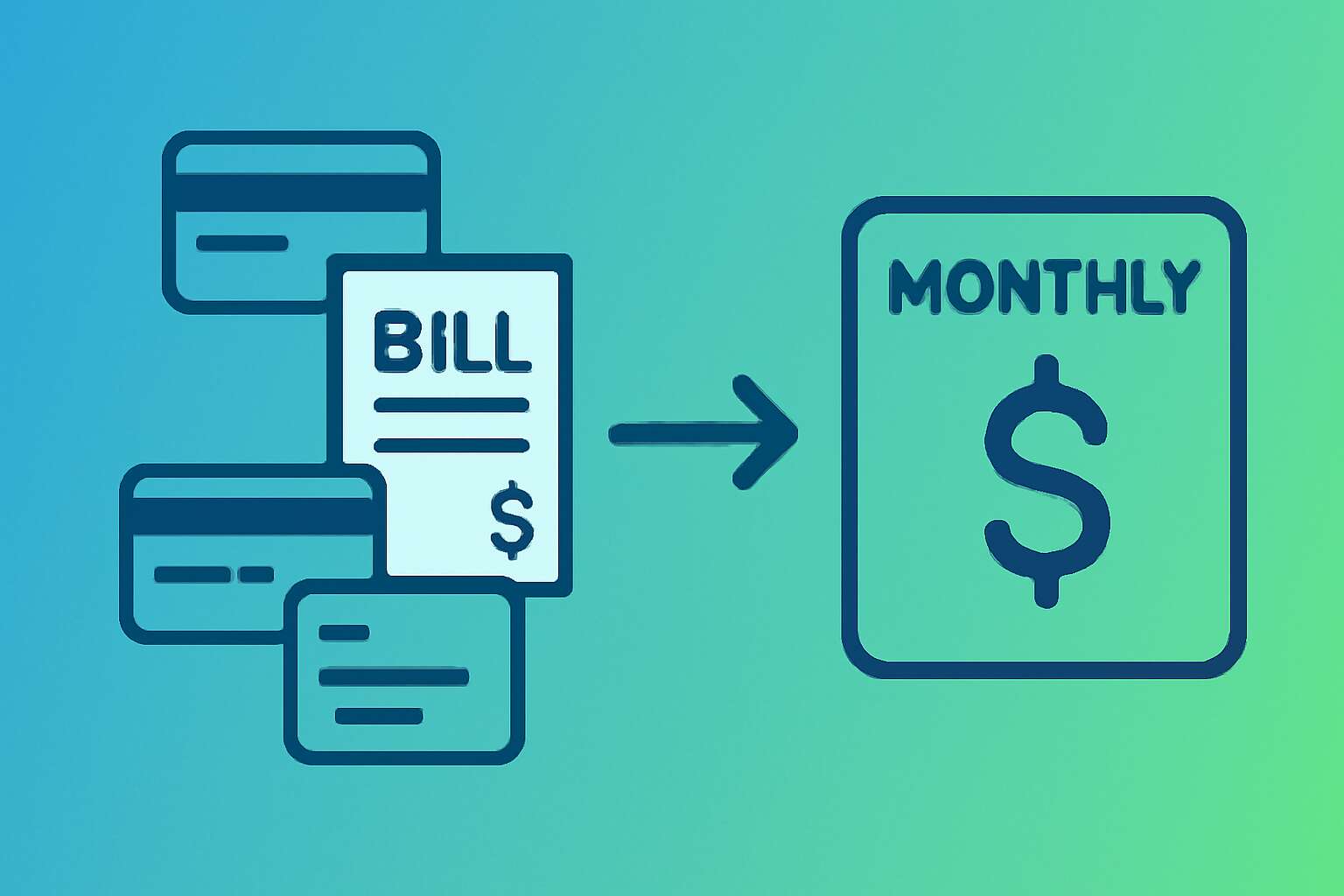
Debt feels like a cluttered calendar of due dates. One clear path through the chaos is a loan that bundles multiple obligations into a single payment. Many ask: how do debt consolidation loans work. They replace several debts—credit cards, store accounts, and other loans—with one fixed-rate loan, with a single monthly instalment and a defined term. In South Africa, lenders weigh credit history, income, and debt-to-income ratio, then offer either unsecured or secured options. The aim is straightforward: reduce monthly payments, simplify administration, and potentially lower the overall interest you pay.
Once approved, funds are used to pay off the existing balances, leaving you with a fresh start and a clearer path. The arrangement relies on amortization schedules and fixed rates to provide a stable repayment plan amid a volatile credit landscape.
Who typically uses them
Debt can feel like a tidal wave of due dates. A consolidation loan cuts through the noise by replacing several obligations with a single, fixed-rate loan. For many in South Africa, the question how do debt consolidation loans work is answered with one clear pattern: one loan, one payment, one manageable path forward.
Once approved, the lender pays off existing balances, and you’re left with a fixed amortization schedule. You’ll have a single monthly instalment and a defined term, which can reduce payments and simplify budgeting. Options may be unsecured or secured, with rates reflecting your credit, income, and the South African lending landscape.
Who typically uses them? Here are common profiles:
- People juggling several high-interest cards.
- Borrowers with steady income and a reliable repayment history.
- Homeowners with eligible equity seeking a secured option to potentially lower rates.
Common types of debt consolidation loans
“One payment, one map through the maze.” For many South Africans, debt consolidation loans offer a clearer path when the monthly due dates feel like a weathered storm. These loans gather multiple obligations into a single, fixed-rate agreement, reducing noise and freeing up mental space.
Common types include:
- Unsecured personal loan
- Secured by home equity (HELOC or second mortgage)
- Balance-transfer loan via a single lender
So how do debt consolidation loans work in practice? In simple terms, the lender pays off existing balances and you make one predictable monthly payment over a defined term.
In the South African market, eligibility and rates hinge on credit, income, and the lending landscape. Options can be unsecured or secured, and each carries its own terms. The consolidation journey can streamline budgeting and, like a quiet constellation, reveal potential savings on total interest—without losing sight of the fine print.
Key terms to know
Debt is a maze, but a consolidation loan is the compass that actually points somewhere sane. For many South Africans juggling multiple due dates, the appeal is one calmer payment and a budget you can actually see.
So how do debt consolidation loans work? In practice, the lender pays off your existing balances and you commit to one predictable monthly payment over a defined term, usually at a fixed rate to keep budgeting straightforward.
Key terms to know:
- Principal: the borrowed amount
- Interest rate: the price of the loan
- Fixed vs variable: rate type
- Term length: repayment duration
- Fees: origination and service charges
- Unsecured vs secured: asset-backed or not
- Credit score: your lender’s filter
Understanding these terms helps you compare offers without getting lost in jargon.
How consolidation loans impact costs and terms
Interest rates and APR explained
Three debts, one due date, a single breath of relief—consolidation promises clarity. But the math isn’t sentimental: swapping many payments for one can lower monthly outgo, while extending the term may lift the total cost. In South Africa, fees and terms vary, shaping the real impact.
So, how do debt consolidation loans work? They blend several balances into one loan with one rate, one term, and one payment. The appeal is predictability, yet the true cost depends on interest, APR, and any fees.
- Interest rate vs APR explained
- Origination and processing fees
- Loan term length and monthly payment
APR includes fees, so a lower advertised rate might still produce a higher overall cost. The choice shapes your cash flow and future balance sheets in South Africa. This prompts the question: how do debt consolidation loans work in practice?
Loan terms and monthly payments
Debt consolidation can feel like a breath of relief, yet the numbers tell the truth. In South Africa, nearly half of households with debt report juggling multiple due dates, and the math matters. How do debt consolidation loans work? They merge multiple balances into one loan—one rate, one term, one payment—calming erratic cash flows.
Choosing a term length reshapes costs and monthly outgo. A longer term lowers the instalment but raises total interest, while shorter terms shrink the cost at the expense of higher monthly payments. Fees—origination and processing—also tilt the bottom line, and APR reflects those charges.
- Longer terms lower monthly payments
- Shorter terms reduce total interest
- Fees impact overall cost
In practice, the balance sheet in South Africa leans on how those pieces fit together, turning a pile of debts into one practical obligation.
Total cost of the loan over time
In South Africa, nearly half of indebted households juggle due dates, and the cost shows up in every payment. Debt consolidation reframes that chaos, but the price sits in the balance sheet over time.
how do debt consolidation loans work? The answer lives in the numbers: one rate, one term, one payment replacing several. Costs become predictable, but the total price still depends on duration and any fees.
- Longer terms can lower monthly payments but push up the total interest charged.
- Shorter terms keep total interest lower when rates are similar, but require higher monthly outlay.
- Origination and processing fees add to the bottom line and shape the true APR.
In the South African landscape, readers see how these pieces fit together: rate, term, fees all sculpt the total cost of the loan over time and influence cash-flow stability. That is the gist of how do debt consolidation loans work.
Fixed vs. variable rate implications
In SA, nearly half of indebted households juggle due dates — a tension that makes a single payment feel like a lifeline. If you ask how do debt consolidation loans work, the answer lies in the numbers: one rate, one term, one payment replacing many. Longer terms lower monthly outlays but push more interest into the tail end of the loan.
Fixed-rate loans promise a steady rhythm, a metronome for budgeting; your payment remains the same month after month, aiding long-range planning. Variable-rate loans ride the market, and payments can rise or fall with the prime rate or other benchmarks. In practice, the choice shapes every total cost through the life of the loan.
- Fixed: predictable cash flow
- Variable: potential savings but higher risk
- Fees: origination and processing that tilt APR
In South Africa, rate, term, and fees work together to sculpt the true price and the steadiness of your monthly cash flow.
Fees to watch for
Costs whisper beneath the numbers when you consider debt consolidation. A longer term lowers the monthly outlay, but interest accrues at the tail. A single rate can simplify budgeting, yet the real price hinges on rate, term, and fees in South Africa’s market. Fixed-rate plans offer steady rhythm; variable rates invite the unknown. The choice shapes the total cost and the rhythm of your cash flow.
Fees to watch: they tilt the numbers you see each month.
- Origination or facility fee upfront
- Administrative or processing fees
- Prepayment penalties
- Late payment penalties
- Collateral valuation or legal costs
So, how do debt consolidation loans work? In practice, you swap several payments for one and watch how term length and fees shape the final tally.
Eligibility, application, and approval process
Credit score and income requirements
Debt consolidation can be the neat trick your budget needs—one payment, fewer late-night math sessions. So, how do debt consolidation loans work? They replace several debts with a single loan, often at a simpler rate and fixed payoff.
Eligibility isn’t a mystery cloak; lenders want steadiness more than heroics. Typically you need a stable income, SA residency, and a manageable debt load. Here’s the gist:
- Reliable, verifiable income
- Reasonable debt-to-income ratio
- South African residency with a clean bank record
Application is often digital: ID, recent payslips, and bank statements are common. Lenders run a credit check and verify income; approval can arrive within days if the numbers check out.
Credit score and income are the hinges. A higher score helps with options, while stable income demonstrates capacity to service the new payment. Lenders weight earnings history and debt-to-income when structuring the loan.
Debt-to-income ratio and other metrics
How do debt consolidation loans work? They replace several debts with a single loan, anchored by a solid financial base. Eligibility hinges on reliable, verifiable income, a reasonable debt load, and South African residency with a clean bank record. The aim is a single, predictable payment that simplifies budgeting.
Applications are mostly digital, with lenders verifying income and credit history quickly. You submit documentation and the lender weighs risk; approval can arrive within days if the numbers check out.
Approval rests on debt-to-income ratio and other metrics that reveal capacity and reliability.
- Stable income
- Reasonable DTI thresholds
- South African residency with a clean banking record
Prequalification vs preapproval
“One loan, one payment, one breath of relief,” a counselor once whispered; it captures the essence of eligibility. For debt consolidation, stability matters—reliable income, a reasonable debt load, and South African residency with a clean banking record. Lenders look for a profile that can sustain a single, predictable payment.
- Stable, verifiable income
- Reasonable debt-to-income ratio
- South African residency with clean banking history
Applications are carried out largely online, with quick income and credit history checks. If you’re wondering how do debt consolidation loans work, the answer rests on presenting steady income, current obligations, and a clean banking record. Documentation is submitted, and risk is weighed; approvals can arrive within days when the numbers check out.
Prequalification offers a rough gauge, while preapproval anchors a conditional commitment.
- Prequalification: basic income and debt details for a general rate
- Preapproval: requires verified documents for a conditional offer
Documents you’ll need
Eligibility in South Africa hinges on a steady paycheck, a reasonable debt load, and residency with a clean banking footprint. If you’re wondering how do debt consolidation loans work in real life, think of it as a single captain steering a fleet of payments—your income must be reliable to keep that ship afloat.
Applications are largely online, with quick income and credit history checks. Lenders weigh whether you can sustain one predictable payment, and approvals can land within days when the numbers line up.
Documents you’ll need include:
- Proof of identity (ID)
- Proof of residence
- Recent payslips or proof of self-employment income
- Bank statements (last 3–6 months)
- Debt details and loan statements
Making the most of a debt consolidation loan
Creating a realistic payoff plan
Consolidation isn’t magic, but it can be a lifeline when multiple payments bite your budget. how do debt consolidation loans work—imagine swapping several balances for one clear obligation that carries a single rate. The result: a streamlined repayment and a chance to reduce total interest, which matters in South Africa’s varied cost of living.
Debt juggling can feel heavy, but a well-structured plan keeps the goal in sight: pay off debt faster without overreaching your monthly budget. A consolidated loan can spare you the late-night ping of reminder notices and offer a steadier, more stable financial arc in the years ahead.
- Clarity: map every balance, fee, and due date
- Consistency: choose a fixed monthly payment you can sustain
- Momentum: use the loan to accelerate repayment without new debt
Budgeting tips to avoid new debt
A single consolidated payment can feel like clearing a storm—the line of bills dissolves into one steady course. So, how do debt consolidation loans work? They swap several balances for one clear obligation, often with a steadier rate and a predictable due date, which matters in South Africa’s varied cost of living and the shifting tides of everyday expenses. Clarity returns, giving you a compass to track payments without the chaos of multiple reminders.
Budgeting for lasting peace means honouring essentials first, protecting a small emergency cushion, and watching for new credit temptations. By modelling your spending around one fixed payment and a realistic plan, you create space to grow your finances without overreaching.
Keep the momentum by reviewing your progress weekly and letting discipline dwarf impulse—the path from debt to stability is a measured, patient voyage!
Strategies to maximize savings
Debt confession: in South Africa, many households juggle several lenders and payment dates. The question how do debt consolidation loans work gives you a quieter path, a single, refocused obligation that doesn’t drown in reminders. Clarity arrives, turning a storm of numbers into one navigable course.
In terms of savings, a consolidation can recalibrate priorities and reduce the mental clutter that fuels impulsive buys. The cadence and clarity it brings matter more than the size of the figure alone. To illustrate, consider these guiding aspects:
- Cadence over chaos: a predictable repayment rhythm lowers decision fatigue
- Cost composition: weighting long-term costs against short-term relief
- Guardrails: preserving discretionary space to resist new debt temptations
Ultimately, the real payoff is psychological—time returns, focus sharpens, and the instinct to borrow again weakens. Debt becomes a steady current rather than a breach in the boat, pushing you toward a more intentional future.

0 Comments