
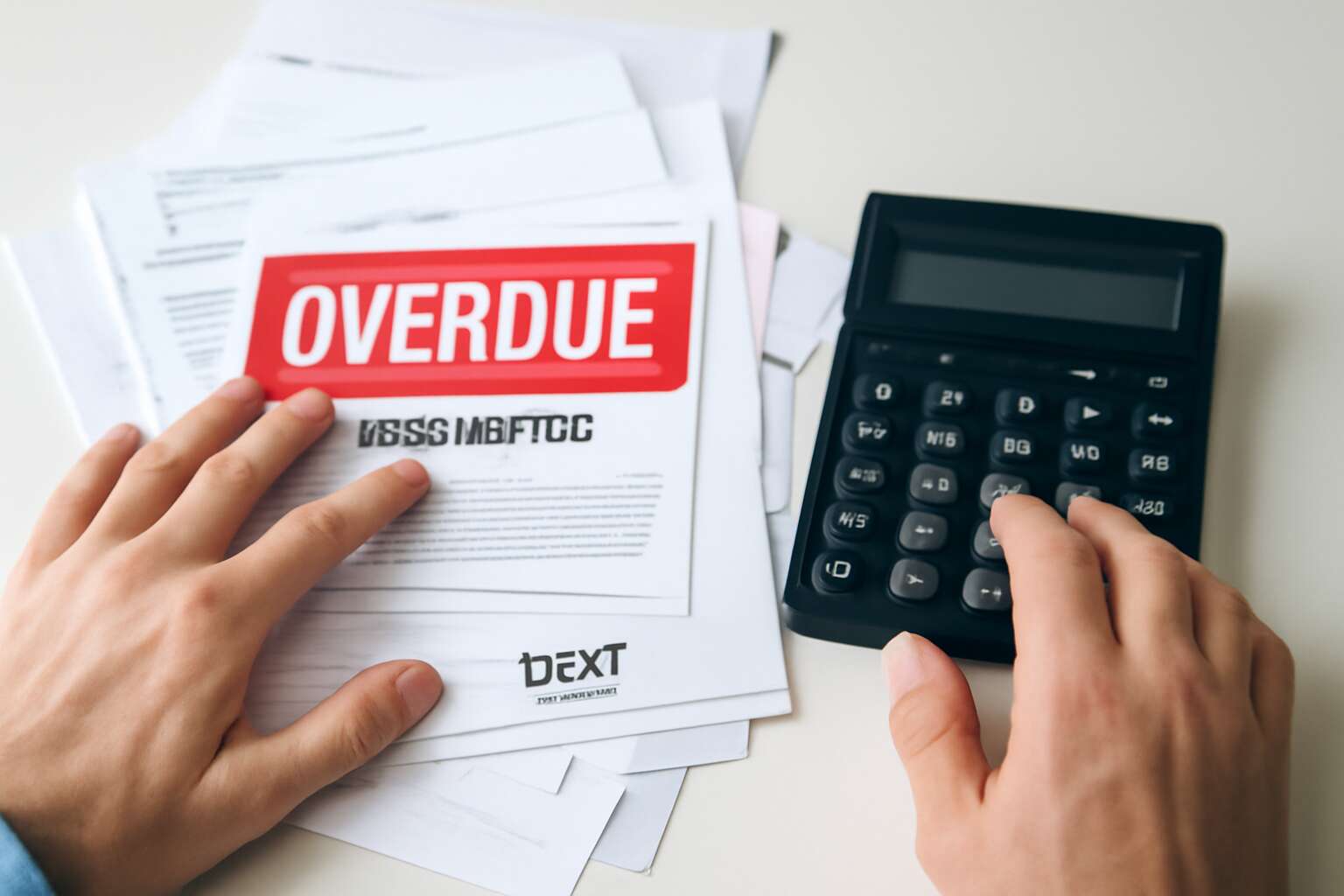
Consequences of missing debt consolidation payments
Impact on credit score and credit report
When you miss a payment on a debt consolidation plan, alarm bells go off inside your finances: what happens if you don’t pay debt consolidation? The moment that note goes unpaid, the balance tightens, interest can climb, and fear sharpens into a reality.
On your credit score and report, the consequences aren’t abstract. Lenders and credit bureaus watch for delinquencies; a missed payment can show up as a late mark, then perhaps a default if the delinquency deepens. In South Africa, that record can shadow new borrowing for years, nudging up costs.
- Missed payments trigger late-payment indicators on your credit file.
- Delinquency can lead to a formal default status.
- Future loans may carry higher interest or stricter terms.
Facing what happens next requires tough choices about honesty, negotiation, and the dignity of paying debt. The psyche twists; consequences widen beyond numbers, shaping your financial identity in subtle, lasting ways.
Interest, fees, and penalties that accrue
The debt consolidation plan you signed feels tethered; when a payment slips, the balance breathes heavier. We ask: what happens if you don’t pay debt consolidation? Interest climbs and late fees tighten the month ahead.
In South Africa, the ripple is not just in numbers. Accrued interest and penalties can push the balance beyond what you planned, and the debt may linger longer, souring future borrowing terms.
- Interest continues to accrue on the missed balance.
- Late fees and penalties attach to the account.
- Persistent delinquency may trigger formal default status and collection actions.
The gravity of neglect nudges every decision, echoing through the days and shaping what money means.
Account status, defaults, and collection flag
Missed payments on a debt consolidation plan cast a quiet spell over your ledger. Consider what happens if you don’t pay debt consolidation—the mechanics are not myths, they are methodical: the account shifts toward delinquency, and a default shadow settles over your file in South Africa.
- Account status moves to delinquent or past due
- Default flag is raised and may be reported to credit bureaus
- Debt may be handed to collections with formal collection actions
Beyond the numbers, those marks change the way lenders view you. The delinquent status, default flag, and collection efforts can stretch longer than you expect, shaping how other agreements are weighed in the future.
Communication from lenders and servicing updates
When you miss a payment, lenders switch to a proactive communications mode. In South Africa, you’ll receive a steady stream of notices, updates, and questions about your plan. what happens if you don’t pay debt consolidation? The answer is a predictable escalation: reminders become formal notes, and your servicing file records the missed payment.
Lenders reach you through a few common channels to keep you informed:
- SMS reminders from the loan servicer
- Email updates with your current balance
- Phone calls to confirm details and schedule payments
- Postal letters with formal notices
These communications outline next steps, updated due dates, and the evolving status of your debt consolidation plan. Servicing updates become a reference point in any future discussions and negotiations with the lender, shaping how your file is handled moving forward.
Credit reporting and score implications
How delinquency is reported and timeframes
Credit keeps a quiet ledger, and a missed debt consolidation payment can echo for years. Delinquency is reported to credit bureaus with escalating statuses, starting with a late payment tag and potentially advancing to a default flag. These marks become part of the record lenders consult when weighing new credit.
- Late payments appear as delinquency statuses on the credit report.
- Prolonged non-payment may trigger a default or collection flag.
- Reports update as servicing information is provided, typically monthly.
- Negative entries can persist for several years, commonly up to five.
So what happens if you don’t pay debt consolidation? The credit record reflects those delinquency markers and can affect decisions on new credit, housing, and insurance in the years ahead. In South Africa, these records form a stubborn layer of financial history.
Immediate vs. long-term score impact
Five years is not a lifetime, but it’s long enough for a credit drama to gain a stubborn twist. So, what happens if you don’t pay debt consolidation? In South Africa, the file quietly shelves delinquency as it weighs future borrowing decisions. The moment a payment is missed, your score wobbles—quickly enough for lenders to notice, and negative entries can persist up to five years, complicating your next agreement.
- Immediate impact: a dip in score and tighter terms from creditors who see a hiccup in the payment history
- Long-term impact: the record lingers and can influence interest rates and lending options years later
In SA, such markings become a stubborn layer of financial history, shaping housing, vehicle finance, and insurance decisions when you least expect it—often with consequences that outlast the momentary stubbornness of a late payment.
Protecting your credit while in limbo
A single missed payment can cast a long shadow across your financial horizon. In South Africa, that shadow often lingers, shaping decisions long after the dust settles. So, what happens if you don’t pay debt consolidation? The answer unfolds in the quiet grammar of credit reporting—and the drama can be heavier than interest alone!
Credit reporting and score implications are real, even when you feel paused by circumstance. Your file might carry a delinquency flag that a lender spots in a heartbeat, and those markings can tilt offers, nudging you toward higher costs or tighter terms.
- Check your credit report regularly and dispute inaccuracies
- Keep balances low and avoid piling on new debt
- Set reminders to keep future payments on track
- Maintain a longer credit history with active accounts
Protecting your credit while in limbo is a quiet, disciplined art. The bureau watches patiently, but steady, responsible steps can soften the edges of the storm and guard your financial future from unnecessary penalties!
Dispute and error-resolution options
Two missed payments can cost more than the debt itself, especially as South Africa’s credit reporting culture takes note. what happens if you don’t pay debt consolidation isn’t just about penalties—it’s a lasting marker on your file. Delinquency flags and updated notes can shape lender perceptions for years, even when the balance feels paused.
Dispute and error-resolution options exist to correct misreporting and guard your file. When you spot an inaccuracy, act quickly to keep the damage contained.
- Gather copies of statements, letters, and any correspondence with the lender
- Submit disputes with the relevant credit bureau (online or in writing) and attach supporting documentation
- Track the status and request updated reports to confirm corrections
Resolving errors can soften the long-term impact, since positive changes can begin to reset your trajectory even while older entries linger.
Debt collection actions and potential legal outcomes
Collection process steps and timelines
Debt collection in South Africa moves through escalating steps once a payment is missed. The question what happens if you don’t pay debt consolidation often surfaces, and the answer points to a formal cascade: notices, referrals, and the looming shadow of legal action.
Early stages are pragmatic, as lenders seek resolution before court files open. Typical steps in the collection process include:
- Notice of non-payment and demand for settlement
- Referral to a debt-collection agency or attorney
- Filing of a summons and potential judgment
Judgments unlock enforcement tools such as emoluments attachment orders and bank-account restraints. Timelines vary, but moving from filing to enforcement can take weeks or months, depending on court speed and responses.
Beyond numbers, the story shifts the borrower’s financial landscape, influencing access to credit and housing for years. The consequences echo through daily life long after delinquency passes.
Regulatory protections and borrower rights
Key question: ‘what happens if you don’t pay debt consolidation.’ In South Africa, debt collectors escalate quickly—from reminders to formal action. Notices, referrals, and a possible court summons can shape your finances.
Regulatory protections guard borrowers under the National Credit Act and POPIA. Lenders must be clear and respectful; a debtor can request proof of the debt and review original terms.
- Right to debt validation and original creditor details.
- Right to be informed of collection steps and to dispute the debt.
- Protection from harassment and limits on contact.
- Access to formal complaint channels, including the regulator.
Judgments unlock enforcement tools such as emoluments attachment orders and bank-account restraints, but due process remains. The outcome can ripple through finances without violating privacy or rights.
Possible wage garnishment and bank levies
Consider this scenario: ‘what happens if you don’t pay debt consolidation.’ In South Africa, debt collectors escalate quickly—from reminders to formal action—and the consequences extend beyond missed payments, testing your financial resilience while the law’s protections attempt to keep the process fair.
Possible outcomes include wage garnishment and bank-levy actions, with a court able to order emoluments attachment or to place restraints on accounts. These steps can become a lived experience, touching the day-to-day as funds are redirected to satisfy the debt. Consider these enforcement avenues:
- Wage garnishment via emoluments attachment orders
- Bank-account restraints or levies
- Seizure of movable property under a court order
Lawsuits, judgments, and their consequences
When the debt-checks bounce, and ‘what happens if you don’t pay debt consolidation’ isn’t a rhetorical question but a map of consequences. In South Africa, creditors seldom wait for a polite reminder; they march into court with a claim, and a judgment can follow swiftly. A creditor can seek enforcement via emoluments attachment orders, bank-account restraints, or the seizure of movable property under a court order. The result is less a negotiation and more a redistribution of day-to-day funds toward the debt—proof that drama has a practical counterpart.
- Lawsuits filed in the appropriate court, typically the Magistrates’ Court for smaller debts or High Court for larger claims.
- A judgment that confirms the debt, opening the door to enforcement.
- Enforcement actions such as emoluments attachment orders, bank-account directives, or seizure of movable property.
- Additional costs, interest, and possible impact on your ability to obtain credit while the debt remains outstanding.
Impact on other financial relationships and services
In South Africa, what happens if you don’t pay debt consolidation isn’t a punchline—it’s a cascade. Missed payments nudge lenders to tighten access and reshape how you juggle money, fast and unromantically.
That cascade doesn’t stop with the balance. It touches other financial relationships and services: lenders, insurers, service providers, and landlords may reassess terms, require deposits, or push you into stricter policies. Debt-collection actions can begin with calls and letters, escalating to formal enforcement if ignored.
- Banks and credit providers may tighten lending criteria or refuse new credit
- Insurance premiums and coverage options can be adjusted or restricted
- Utility, telecom, and landlord arrangements might require deposits or service holds
In short, one missed debt consolidation payment can rearrange your day-to-day finances more than you expect, inviting deposit checks, stricter terms, and a reshaped budget reality.
Long-term financial consequences and recovery strategies
Total cost of missed payments over time
The long-term ledger rarely forgives when debt consolidation is left unpaid. What happens if you don’t pay debt consolidation becomes a quiet arithmetic problem: missed payments pile up into interest, penalties, and service charges that over years can eclipse the original balance. The total cost of missed payments over time isn’t just money; it narrows options and tightens monthly cash flow.
- Compounding interest and penalties can dramatically raise the total debt over time.
- Reduced access to credit and higher borrowing costs can persist long after settlement.
- Ongoing financial stress and planning costs affect personal and professional life.
Recovery strategies emphasize steady recalibration rather than dramatic cures. The aim is to bend the debt curve toward balance, guided by options like relief arrangements, renegotiated terms, or professional guidance that maps a sustainable path forward.
Effects on insurance, housing, and employment opportunities
Debt isn’t just a number on a statement; it reshapes daily life. what happens if you don’t pay debt consolidation can echo well beyond the balance, nudging up insurance costs and narrowing housing options. The long tail of nonpayment isn’t dramatic drama; it’s ongoing friction—late fees, tighter budgets, and a sense that ordinary plans require more effort than they should.
In South Africa, insurers adjust premiums based on risk, and landlords may hesitate to approve applicants with patchy payment histories. Some employers in sensitive industries also weigh financial stability when hiring. The consequences ripple through daily life, shaping opportunities without signaling themselves loudly.
Our recovery posture favors steady recalibration over flashy fixes. relief arrangements, renegotiated terms, and professional guidance map a sustainable path forward—without pretending there’s a quick cure.
- Relief arrangements
- Renegotiated terms
- Professional guidance
Options for settlement and negotiated repayment plans
Debt lingers like a shadow that lengthens over your future. Long-term financial consequences creep in slowly, reshaping goals and budgets you thought secure. what happens if you don’t pay debt consolidation can echo in the ledger as higher interest, extra penalties, and a tighter daily rhythm.
Yet recovery can be navigated with care, not bravado. Here are pathways that honour balance and dignity:
- Formal settlement offers that reduce the principal or total owed
- Structured repayment plans with predictable monthly amounts
- Licensed debt counselling or professional guidance to steer negotiations
In South Africa, patience and transparent communication soften the sting. A steady recalibration—through clear terms, careful budgeting, and expert guidance—maps a sustainable path forward, letting recovery arrive with quiet confidence rather than panic.
Steps to rebuild credit after delinquency
Long after the debt resting on your shoulders seems settled, the ledger grows heavier. That question—what happens if you don’t pay debt consolidation—lingers in the margins as rising interest, tighter borrowing, and slower dreams. The future you imagined drifts, reshaped by costs that creep rather than crash.
Recovery can be found through pathways that honour balance and dignity. Formal settlements, structured repayment plans, and licensed debt counselling guide the soul of a negotiation without bravado, turning a looming shadow into a tempered instrument for tomorrow.
In South Africa, patient hearts and transparent communication can soften the sting. A measured recalibration—with clear terms and guided budgeting—maps a future where recovery arrives with quiet confidence, not panic.



0 Comments